Implant clinicians
For dentists who place implants and want a structured approach to treating intact and compromised post-extraction sockets.
Search courses, instructors, specialties and techniques.
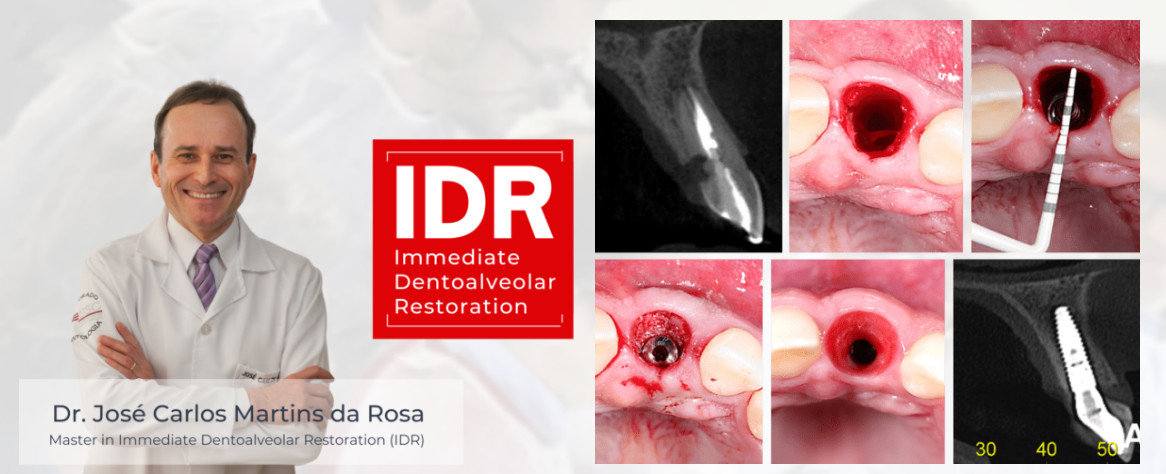
Study a step-by-step surgical and prosthetic protocol for immediate implant treatment in intact and compromised post-extraction sockets.
With Dr. José Carlos Martins da Rosa
Course information
Begin with post-extraction socket biology, diagnosis and defect classification before moving into the surgical steps of Immediate Dentoalveolar Restoration.
The course connects minimally invasive extraction, maxillary-tuberosity grafting, implant-diameter selection and region-specific protocols for intact and compromised sites.
Study each stage in high definition, revisit the material throughout your clinical development and use multilingual subtitles to follow the teaching comfortably.
Who this course is for
This course is designed for qualified dental professionals who understand implant-treatment foundations and want to study the IDR protocol in a structured sequence.
For dentists who place implants and want a structured approach to treating intact and compromised post-extraction sockets.
For clinicians who want to connect minimally invasive extraction, tuberosity grafting and immediate implant placement.
For qualified dental professionals with implant foundations who want to study the IDR technique across multiple clinical scenarios.
The clinical framework
IDR is presented as a connected surgical and prosthetic workflow for compromised post-extraction sites.
The course moves from socket biology and diagnosis into minimally invasive extraction, donor-site management, implant selection, grafting, regional applications and complication control.
Diagnosis, graft selection, implant positioning and provisional restoration are taught as connected clinical decisions.
What you’ll learn
Build a structured approach to diagnosing intact and compromised post-extraction sockets before choosing an IDR protocol.
Review atraumatic extraction, flap and flapless approaches, and the biological principles that guide tissue preservation.
Study the maxillary tuberosity as a donor area and follow the cortico-cancellous graft workflow used in IDR cases.
Apply the protocol across upper and lower anterior regions, posterior sites, infected sites and cases with gingival recession.
Connect graft incorporation and IDR biology with complication recognition and the decisions that help reduce avoidable errors.
Technique focusTechnique focus
The program links diagnosis and defect classification to the surgical protocol selected for intact, compromised and infected sites.
Course curriculum
Open any chapter to see the exact lesson titles and runtimes supplied in the DentalEDX curriculum.
Begin with the IDR concept, post-extraction socket biology, minimally invasive extraction and diagnosis of compromised sockets.
Move from maxillary-tuberosity anatomy and harvesting into implant-diameter selection for post-extraction sites.
Study the technique in intact sockets and cases requiring cortico-cancellous bone grafting.
Follow IDR applications across anterior and posterior regions, infected sites and different periodontal conditions.
Complete the program with osseodensification, recession cases, biological evidence and complication management.
 Implant dentistry · Periodontics
Your instructor
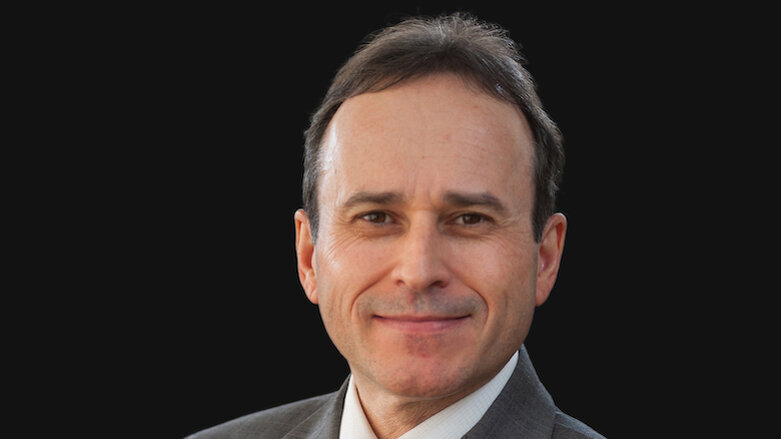
DDS, MS, PhD · Developer of the Immediate Dentoalveolar Restoration technique
Dr. Martins da Rosa is a Brazilian implant clinician and educator whose work focuses on immediate implant treatment in compromised sockets. He developed the IDR technique to connect extraction, implant placement, hard- and soft-tissue reconstruction and provisional restoration within one clinical protocol.
Your learning experience
Return to diagnosis, donor-site, grafting and region-specific protocols while planning an intact or compromised socket case.
Move from socket biology and diagnosis into donor-site, grafting and region-specific IDR applications.
Connect extraction, implant selection, grafting and provisional restorative considerations within the same clinical framework.
Pause, revisit and review the course around your clinical schedule without an access deadline.
Continue the training on the device that fits your study, case-planning or review workflow.
Frequently asked
Need help choosing the right course? Contact support@dentaledx.com.
After your payment is successfully completed, you will receive instant access to your membership area and purchased course. Please use the same email address provided during checkout. If you experience any access issues, contact support@dentaledx.com.
Yes. Course videos and included learning materials can be downloaded, allowing you to continue learning and reviewing the content offline.
No. Your purchase includes lifetime access, allowing you to learn at your own pace and revisit the course whenever needed.
We accept PayPal, Visa, Mastercard and other major payment methods. Depending on your country, additional options such as Klarna or Afterpay may be available, allowing you to pay in installments. The payment methods available to you will appear during checkout.
Yes. A certificate of completion is provided after you complete the course requirements.
DentalEDX uses a digital-first learning model that helps reduce traditional education and distribution costs. This allows us to make advanced clinical education more accessible to dental professionals worldwide.
Yes. Courses can be accessed from a desktop computer, laptop, tablet or mobile phone with a reliable internet connection.
Yes. A purchase confirmation and receipt will be sent to the email address used during checkout. If you require additional invoice information, contact support@dentaledx.com.
You can request a refund within 48 hours of purchase or a course replacement within 7 days of purchase. Email support@dentaledx.com with your order details. These are request windows, not processing times. See our Refund Policy in the footer.
Email support@dentaledx.com for assistance with purchases, course access or your account. Please include the email address used during checkout and the name of the course.
Our courses include multilingual subtitle support. Availability may vary by course. If you require subtitles in a particular language and they are not currently available, contact support@dentaledx.com and our team will assist you.
Select “Forgot password?” on the login page and enter the email address connected to your account. You will receive an email with instructions for creating a new password. Check your spam folder if the message does not arrive. If you still need assistance, contact support@dentaledx.com.
Ready when you are
Move from socket biology and diagnosis into grafting protocols, regional applications and complication management.